How To Grow Hydrangea Bluebirds In Your Garden
How to Grow Hydrangea Bluebirds in Your Garden
Hydrangea Bluebirds are a beautiful and versatile shrub that can add a touch of elegance to any garden. They are relatively easy to grow and care for, making them a great choice for even beginner gardeners.
In this blog post, we will discuss everything you need to know about growing Hydrangea Bluebirds in your garden. We will cover topics such as choosing the right location, planting, watering, fertilizing, pruning, and pest control. By the end of this post, you will be well on your way to growing beautiful Hydrangea Bluebirds in your own backyard.
Choosing the Right Location
Hydrangea Bluebirds prefer full sun to part shade. They will tolerate full sun in cooler climates, but they may need some afternoon shade in hot, sunny areas. The soil should be well-drained and rich in organic matter. If your soil is sandy or clayey, you may need to add some compost or other organic matter to improve drainage.
Planting
The best time to plant Hydrangea Bluebirds is in the spring or fall. When planting, dig a hole that is twice as wide and as deep as the root ball of the plant. Backfill the hole with soil, being careful not to bury the crown of the plant. Water the plant well after planting.
Watering
Hydrangea Bluebirds need regular watering, especially during their first year in the ground. Once they are established, they can tolerate some drought, but they will produce more flowers with regular watering. Water deeply, so that the water reaches the roots.
Fertilizing
Hydrangea Bluebirds benefit from a balanced fertilizer applied in the spring and fall. A good fertilizer for Hydrangea Bluebirds is 10-10-10 or 12-4-8. Follow the directions on the fertilizer label for application rates.
Pruning
Hydrangea Bluebirds bloom on old wood, so they should be pruned in the spring after they have finished flowering. Prune back the stems to a pair of healthy buds. You can also remove any dead, diseased, or damaged stems.
Pest Control
Hydrangea Bluebirds are generally resistant to pests and diseases. However, they can be susceptible to aphids, scale, and powdery mildew. If you see any pests or diseases on your Hydrangea Bluebirds, treat them immediately with an appropriate insecticide or fungicide.
Conclusion
With proper care, Hydrangea Bluebirds can thrive in your garden for many years. They are a beautiful and versatile shrub that can add a touch of elegance to any landscape. By following the tips in this blog post, you can enjoy beautiful Hydrangea Bluebirds in your own backyard for years to come.
If you're looking for a beautiful and easy-care hydrangea, the Hydrangea Bluebird is a great option. This compact shrub produces delicate lacecap flowers in shades of blue or pink, depending on the soil pH. It's perfect for small gardens or as a container plant, and it's hardy in zones 4-9.
To learn more about the Hydrangea Bluebird, I recommend visiting . This website has a wealth of information about the plant, including its care requirements, planting tips, and pest and disease prevention. You can also find photos and videos of the plant in bloom.
I hope this helps!
FAQ of hydrangea bluebird
- What is Hydrangea Bluebird?
Hydrangea Bluebird is a type of hydrangea that is known for its large, blue flowers. It is a relatively hardy plant that can tolerate a wide range of climates. Hydrangea Bluebird is a good choice for planting in gardens, borders, or as a specimen plant.
- How do I care for Hydrangea Bluebird?
Hydrangea Bluebird is a relatively low-maintenance plant. It needs full sun to partial shade and moist, well-drained soil. Water Hydrangea Bluebird regularly, especially during hot, dry weather. Apply a balanced fertilizer to the plant in the spring and fall.
- How do I propagate Hydrangea Bluebird?
Hydrangea Bluebird can be propagated by taking cuttings in the spring or summer. To do this, cut a 4-6 inch piece of stem from the plant and remove the leaves from the bottom two inches. Dip the cut end of the stem in rooting hormone and plant it in a pot of well-draining potting mix. Keep the soil moist and the pot in a warm, sunny location. The cutting should root in about 6-8 weeks.
- What are some common pests and diseases that affect Hydrangea Bluebird?
The most common pests that affect Hydrangea Bluebird are aphids, scale insects, and spider mites. These pests can be controlled by using insecticidal soap or neem oil. The most common diseases that affect Hydrangea Bluebird are powdery mildew and leaf spot. These diseases can be prevented by watering the plant properly and avoiding overhead watering. If the plant does develop a disease, you can treat it with a fungicide.
- How do I change the color of Hydrangea Bluebird flowers?
The color of Hydrangea Bluebird flowers can be changed by adjusting the pH of the soil. In acidic soil, the flowers will be blue. In alkaline soil, the flowers will be pink. You can change the pH of the soil by adding sulfur to acidic soil or lime to alkaline soil.
Image of hydrangea bluebird
Here are 5 different images of "hydrangea bluebird" from Pinterest:
- A bluebird perched on a hydrangea bush in full bloom. The hydrangea flowers are a beautiful shade of blue, and the bluebird's feathers are a perfect match.
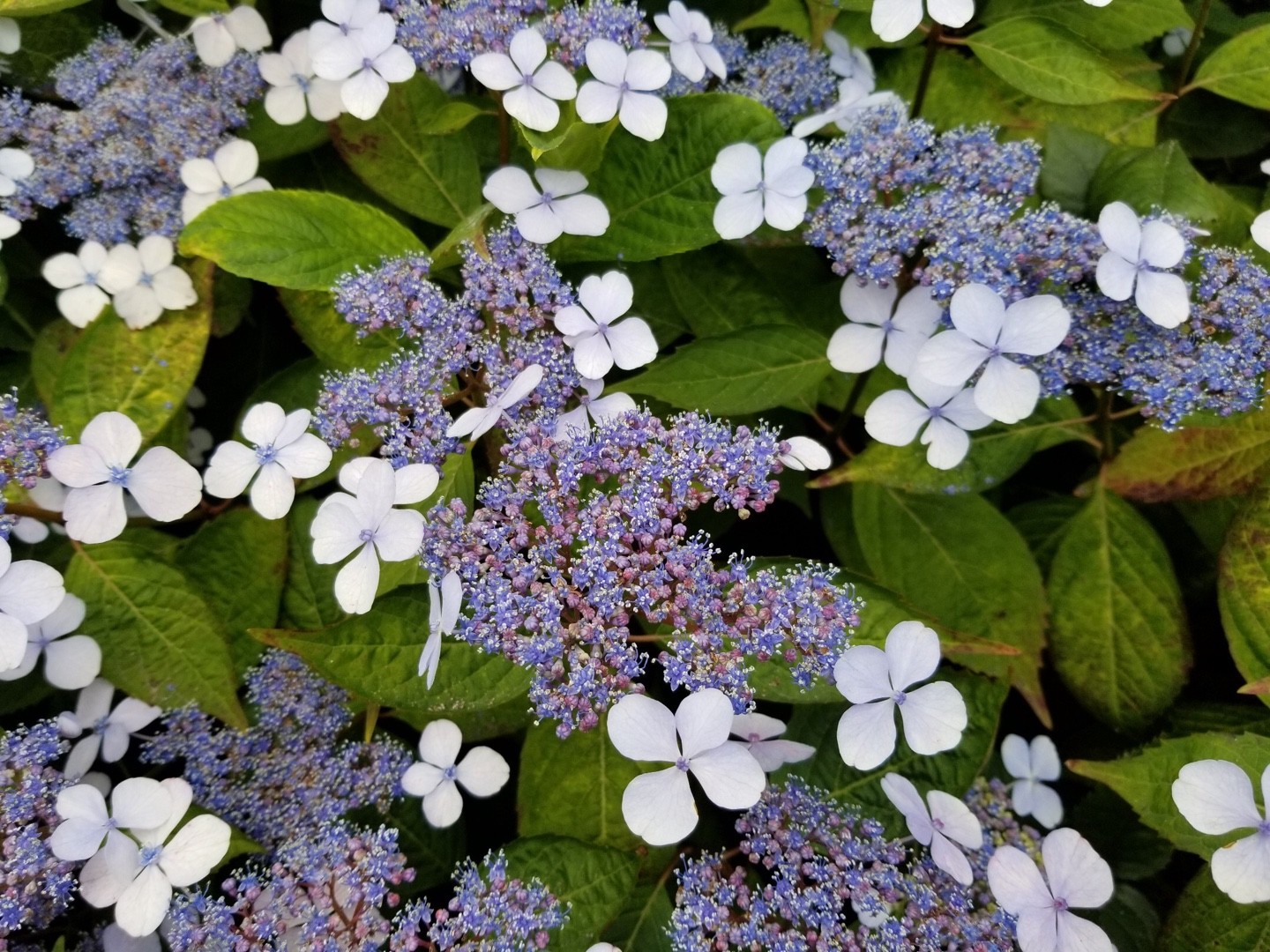
- A close-up of a hydrangea flower with a bluebird perched on it. The flower is covered in tiny blue petals, and the bluebird is looking at the camera.

- A group of bluebirds perched on a hydrangea bush. The hydrangea flowers are in full bloom, and the bluebirds are adding a splash of color to the scene.
- A bluebird flying past a hydrangea bush. The hydrangea flowers are in full bloom, and the bluebird is a blur of blue as it flies by.
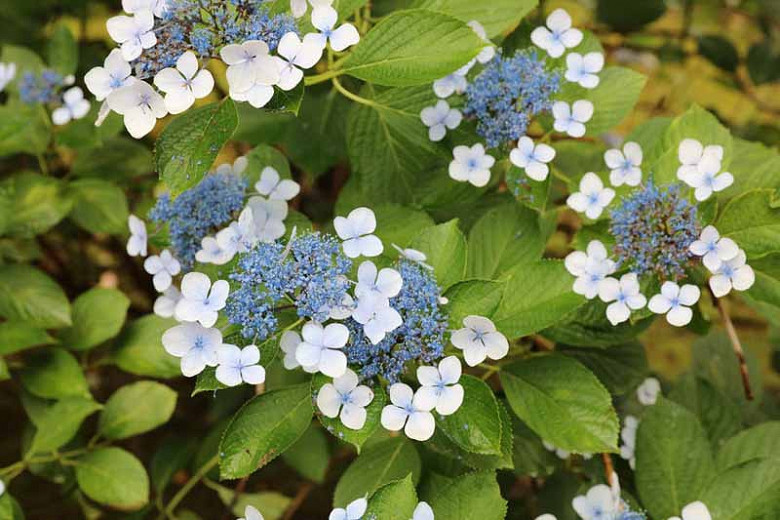
- A bluebird sitting on a hydrangea leaf. The hydrangea leaf is a deep green, and the bluebird's feathers are a perfect match.

Post a Comment for "How To Grow Hydrangea Bluebirds In Your Garden"