Raspberry Companion Plants That Will Boost Your Yield
Raspberry Companion Plants That Will Boost Your Yield
Raspberries are a delicious and versatile fruit that can be enjoyed fresh, frozen, or cooked. They're also relatively easy to grow, but there are a few things you can do to boost your yield. One of the best ways to do this is to plant companion plants.
Companion planting is the practice of planting certain plants together that benefit each other. There are many different companion plants that can be beneficial for raspberries, but some of the best include:
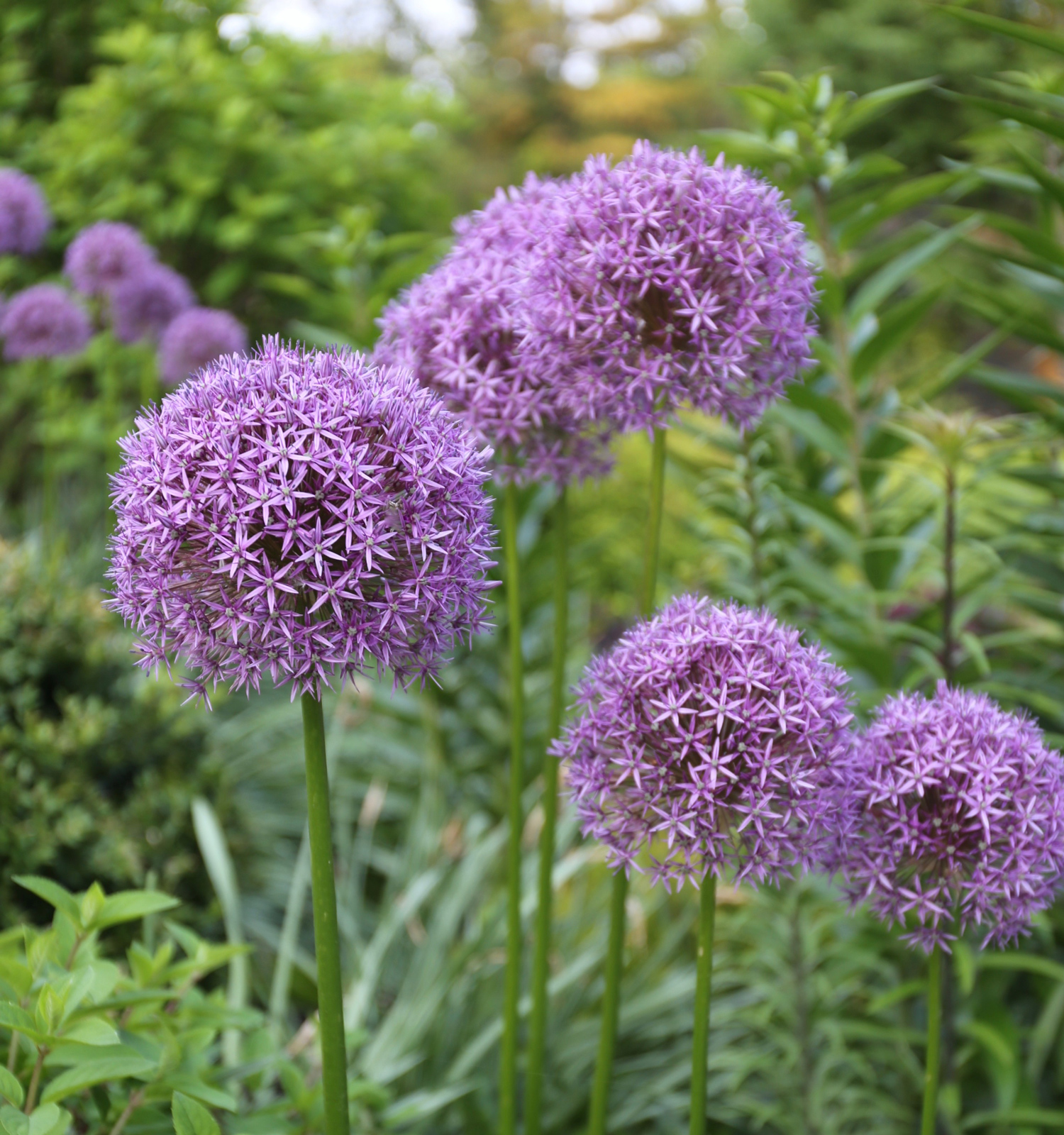
- Alliums: Alliums, such as garlic, onions, and chives, help to repel pests and diseases that can damage raspberries. They also add nitrogen to the soil, which helps raspberries to grow strong and healthy.
- Legumes: Legumes, such as peas, beans, and lentils, fix nitrogen in the soil, which can help to improve the fertility of the soil and reduce the need for fertilizer. They also help to suppress weeds and improve drainage.

- Herbs: Certain herbs, such as chamomile, mint, and oregano, can help to repel pests and diseases. They can also attract beneficial insects, such as pollinators.

- Flowers: Some flowers, such as marigolds and nasturtiums, can help to repel pests and diseases. They can also add beauty and interest to your garden.

- Cover crops: Cover crops, such as buckwheat and clover, can help to improve the soil quality and suppress weeds. They can also help to attract beneficial insects.

When choosing companion plants for your raspberries, it's important to consider the needs of both plants. For example, raspberries need full sun, so you'll want to choose companion plants that also thrive in full sun. You'll also want to make sure that the companion plants you choose won't compete with your raspberries for water or nutrients.
If you're not sure which companion plants are right for your raspberries, there are a few resources you can consult. Your local nursery or garden center can usually provide some recommendations. You can also find information online or in gardening books.
Once you've chosen your companion plants, it's time to plant them. When planting, be sure to follow the instructions on the plant tag. In general, you'll want to plant companion plants about 12 inches away from your raspberries.
Once your companion plants are established, you'll need to care for them just like you would any other plant in your garden. This includes watering, fertilizing, and weeding.
By planting companion plants, you can boost your raspberry yield and improve the health of your plants. So next time you're planning your raspberry garden, be sure to include some companion plants in your plans.
FAQ of raspberry companion plants
5 Most Frequently Asked Questions About Raspberry Companion Plants
Raspberries are a delicious and versatile fruit that can be grown in many different climates. But did you know that there are some plants that can actually help your raspberry plants grow better? Here are the 5 most frequently asked questions about raspberry companion plants, along with valuable insights and solutions:
Question 1: What are some good companion plants for raspberries?
Some good companion plants for raspberries include:
- Clover: Clover helps to improve the soil quality and nitrogen levels, which can benefit raspberry plants.
- Lavender: Lavender helps to deter pests and insects, which can help to keep your raspberry plants healthy.
- Garlic: Garlic helps to repel nematodes, which are pests that can damage raspberry roots.
- Onion: Onions help to repel aphids, which are pests that can suck the sap out of raspberry leaves.
- Chives: Chives help to repel slugs and snails, which can damage raspberry fruits.
Question 2: What plants should I avoid planting near raspberries?
There are a few plants that you should avoid planting near raspberries, including:
- Nightshades: Nightshades, such as tomatoes, potatoes, and eggplants, can compete with raspberry plants for nutrients and water.
- Fennel: Fennel can release chemicals that can stunt the growth of raspberry plants.
- Strawberries: Strawberries can attract the same pests and diseases as raspberry plants.
Question 3: How far apart should I plant raspberry plants?
Raspberry plants should be planted about 3 feet apart. This will give them enough space to grow and spread without crowding each other.
Question 4: How much sunlight do raspberry plants need?
Raspberry plants need full sun, at least 6 hours of sunlight per day. If you live in a hot climate, you may need to provide some afternoon shade.
Question 5: How much water do raspberry plants need?
Raspberry plants need regular watering, especially during the hot summer months. The soil should be kept moist, but not soggy.
Image of raspberry companion plants
- Chives: Chives are a member of the allium family, and they are known for their insect-repelling properties. They can help to deter pests such as Japanese beetles and aphids from your raspberry plants.
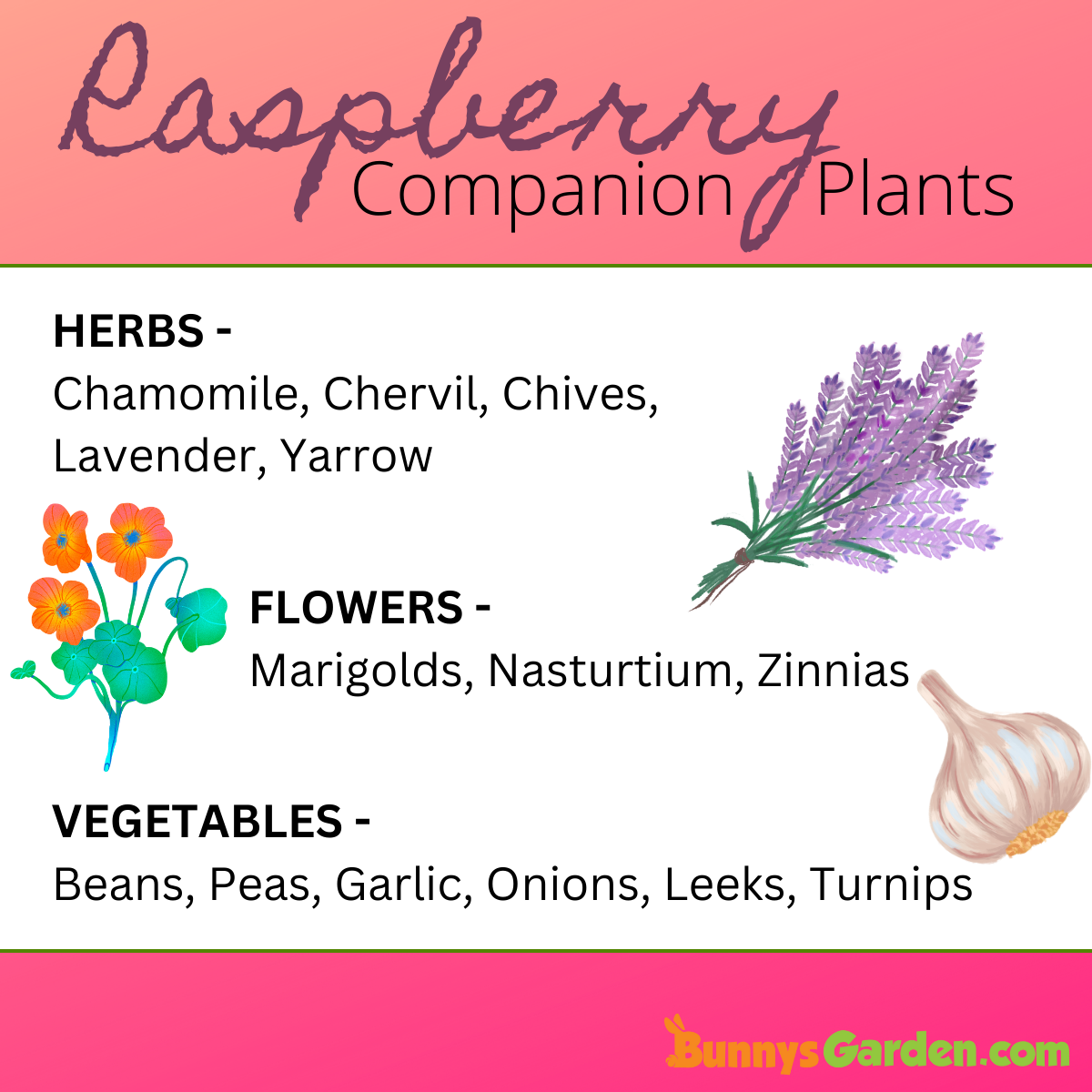
- Nasturtiums: Nasturtiums are another great companion plant for raspberries. They are also a member of the allium family, and they can help to deter pests and attract beneficial insects.

- Cucumbers: Cucumbers can help to suppress weeds and improve the soil around your raspberry plants. They can also help to attract pollinators, which will help to improve fruit production.
- Beans: Beans can help to fix nitrogen in the soil, which can benefit your raspberry plants. They can also help to improve drainage and aeration around the roots.
- Sunflowers: Sunflowers can help to attract beneficial insects and deter pests. They can also help to shade your raspberry plants from the hot sun.

Post a Comment for " Raspberry Companion Plants That Will Boost Your Yield"