How To Make Your Own Compost For A Healthy Vegetable Garden
Introduction
Composting is the process of breaking down organic materials into a nutrient-rich soil amendment called compost. Compost can be used to improve the health and productivity of your vegetable garden, and it's also a great way to reduce your waste.
Making your own compost is a relatively simple process, and it can be done in a variety of ways. In this blog post, we'll discuss the basics of composting, and we'll provide some tips on how to make your own compost for a healthy vegetable garden.
Main Content
What is compost?
Compost is a dark, crumbly material that is made up of decomposed organic matter. It contains a variety of nutrients that are essential for plant growth, including nitrogen, phosphorus, potassium, and trace minerals. Compost also helps to improve the soil's structure, drainage, and water retention.
How does composting work?
Composting is a natural process that is carried out by microorganisms, such as bacteria and fungi. These microorganisms break down the organic matter in compost into smaller and smaller pieces. As the organic matter decomposes, it releases nutrients that are absorbed by the soil.
What materials can be composted?
A wide variety of organic materials can be composted, including:
- Food scraps: Fruits, vegetables, coffee grounds, tea leaves, eggshells, and other food scraps can all be composted.
- Yard waste: Grass clippings, leaves, straw, wood chips, and other yard waste can also be composted.
- Manure: Animal manure, such as cow manure, chicken manure, and horse manure, can be composted. However, it is important to note that not all manures are created equal. Some manures, such as dog and cat manure, should not be composted because they can contain harmful bacteria.
- Other materials: Some other materials that can be composted include sawdust, wood shavings, paper, cardboard, and coffee filters.
How to make compost
There are a few different ways to make compost. The most common method is to create a compost pile. To make a compost pile, you will need to find a spot in your yard that gets plenty of sunlight and has good drainage. Then, you will need to gather your materials and layer them in the pile. The best ratio of green to brown materials is 2:1. Green materials are high in nitrogen, while brown materials are high in carbon. Some good examples of green materials include grass clippings, vegetable scraps, and coffee grounds. Some good examples of brown materials include leaves, straw, and wood chips.
Once you have layered your materials, you will need to water the pile regularly. The pile should be moist, but not soggy. You will also need to turn the pile every few weeks to aerate it and help the decomposition process.
Compost can take anywhere from a few months to a year to fully decompose. Once the compost is finished, you can spread it in your garden beds to improve the soil's health and fertility.
Tips for making compost
Here are a few tips for making compost:
- Use a variety of materials. The more variety of materials you use, the richer your compost will be.
- Keep the pile moist. The pile should be moist, but not soggy.
- Turn the pile regularly. Turning the pile helps to aerate it and speed up the decomposition process.
- Be patient. Composting takes time. Don't expect to have finished compost overnight.
Conclusion
Making your own compost is a great way to improve the health and productivity of your vegetable garden. It's also a great way to reduce your waste. If you're looking for a simple and effective way to improve your garden, composting is a great option.
Compost is a gardener's best friend. It's a natural way to add nutrients and organic matter to your soil, which can help your vegetables grow big and healthy. But not all compost is created equal. If you're looking for the best compost for your vegetable garden, you need to visit Garden Wiki.
Garden Wiki is a comprehensive resource on all things compost. They have a wide variety of articles and guides on how to make compost, how to use compost, and what type of compost is best for different plants. They also have a blog where they share tips and advice from experienced gardeners.
If you're serious about growing healthy vegetables, then you need to visit Garden Wiki. They have everything you need to know about compost, and they can help you make the most of this amazing natural resource.
FAQ of compost for vegetable garden
- What is compost and how is it made?
Compost is a natural fertilizer made from decomposing organic matter, such as food scraps, yard waste, and manure. It is created by a process called composting, which involves mixing these materials together and allowing them to break down over time. As the organic matter breaks down, it releases nutrients that are beneficial to plants.
- What are the benefits of using compost in a vegetable garden?
Compost has many benefits for vegetable gardens, including:
- Improving soil fertility: Compost adds essential nutrients to the soil, such as nitrogen, phosphorus, and potassium. This helps plants grow stronger and healthier.
- Increasing water retention: Compost helps the soil hold more water, which can help plants survive during droughts.
- Improving drainage: Compost helps to aerate the soil, which can help improve drainage and reduce waterlogging.
- Reducing soil compaction: Compost helps to loosen the soil, which can make it easier for roots to grow.
- Attracting beneficial insects: Compost can attract beneficial insects, such as earthworms and ladybugs, which can help control pests and diseases.
- What are the different types of compost?
There are two main types of compost:
- Hot compost: Hot compost is created by mixing organic matter together and allowing it to break down in a warm environment. This process can take as little as a few weeks.
- Cold compost: Cold compost is created by mixing organic matter together and allowing it to break down in a cooler environment. This process can take several months or even years.
- How do I add compost to my vegetable garden?
There are a few different ways to add compost to your vegetable garden:
- You can add compost to the soil before planting. This will help to improve the soil quality and give your plants a good start.
- You can add compost to the soil throughout the growing season. This will help to keep the soil nutrient-rich and help your plants stay healthy.
- You can use compost as a mulch around your plants. This will help to suppress weeds, retain moisture, and improve the appearance of your garden.
- What are some common mistakes people make when composting?
Some common mistakes people make when composting include:
- Not adding enough variety of materials: Composting works best when you add a variety of organic materials. This helps to create a balanced mix of nutrients and microorganisms.
- Not adding enough water: Compost needs moisture to break down properly. If the compost is too dry, it will not decompose.
- Not turning the compost: Turning the compost helps to aerate it and speed up the decomposition process.
- Not waiting long enough: Compost can take several weeks or even months to break down completely. If you add compost to your garden too soon, it may not have had enough time to decompose and may not provide the same benefits.
Image of compost for vegetable garden
5 different images of "compost for vegetable garden" from Pinterest:
- A pile of compost in a backyard vegetable garden. The compost is a mix of brown and green materials, and it is well-rotted and dark brown in color.
- A person adding kitchen scraps to a compost bin in their vegetable garden. The kitchen scraps include vegetable peels, fruit scraps, and coffee grounds.
- A worm bin in a vegetable garden. The worm bin is filled with bedding material and worms, which are breaking down organic matter into compost.
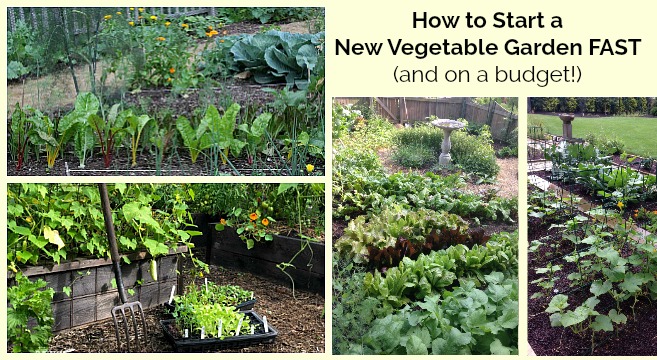
- A row of vegetable plants in a garden bed that has been amended with compost. The plants are healthy and green, and they are growing well.
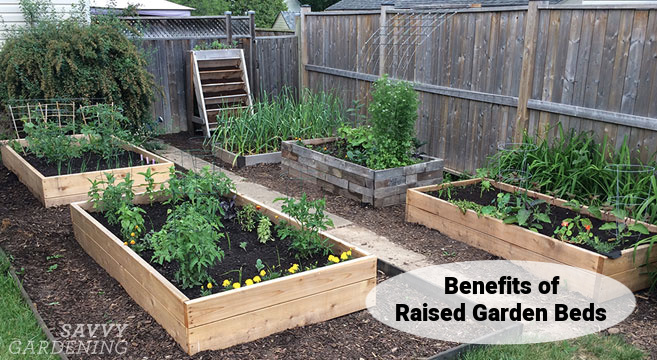
- A gardener harvesting vegetables from their garden and putting them in a compost bin. The vegetables will break down in the compost bin and add nutrients to the soil.

Post a Comment for "How To Make Your Own Compost For A Healthy Vegetable Garden"